
The Five Pillars of a Successful Fiber Network

When you think about a fiber network, you probably picture cables running underground, connections lighting up, and data moving at incredible speeds.
But what makes that network reliable? It’s not just the fiber itself. Behind every stable connection is a combination of careful planning, quality implementation, constant monitoring, maintenance, and responsive customer support.

Every reliable network starts long before the first cable is installed. Planning and design determine how well the network will perform today and how easily it can grow tomorrow.
Route surveys, capacity planning, redundancy, equipment selection, and proper documentation all play a role. Once the design is ready, quality implementation brings it to life through proper installation, testing, and commissioning.
Getting these two stages right can prevent many of the problems that appear later.
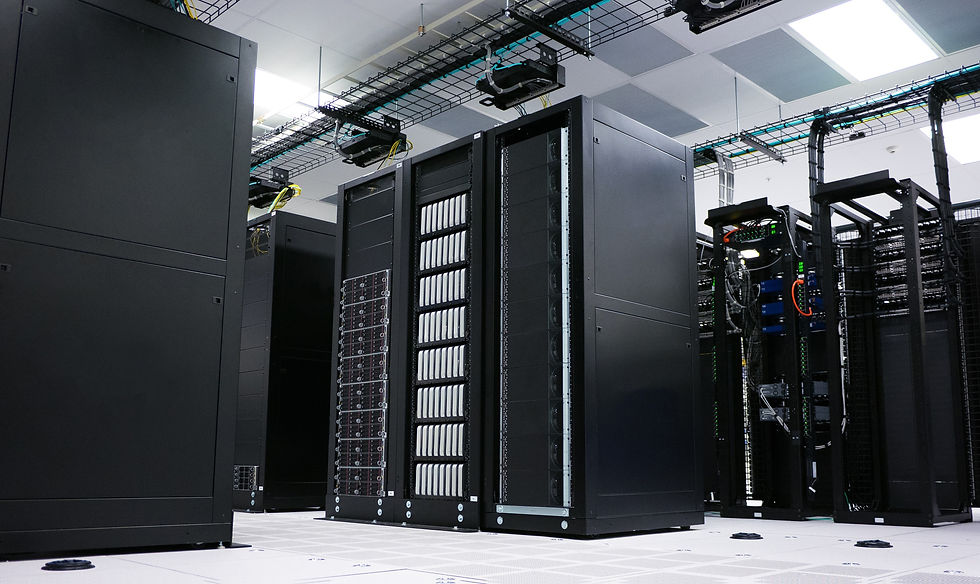
A network cannot simply be built and left to run on its own. This is where the Network Operations Center (NOC) comes in. The NOC acts as the network's command center, continuously monitoring infrastructure and services to detect issues before they become major disruptions. When faults occur, quick detection and response can make the difference between a minor incident and prolonged downtime.
But monitoring is only part of the equation. Proactive maintenance keeps the network healthy over time through inspections, preventive repairs, equipment servicing, and continuous optimization.
The goal is simple: prevent problems where possible and resolve them quickly when they occur.

At the end of every fiber network is a customer who simply wants their connection to work. When something goes wrong, technical expertise alone isn't enough. Customers need clear communication, timely updates, and efficient resolution of their issues.
Effective customer support therefore becomes an important part of network reliability. It builds trust and ensures that even when challenges occur, customers know they are being heard and supported.
A successful fiber network is more than cables, equipment, and connections. It is an ongoing process. From the drawing board to deployment, from the NOC to field maintenance, and ultimately to customer support, a team of skilled people work behind the scenes to keep the network running smoothly. Every role matters, and every team contributes to delivering a reliable connection.


👍